
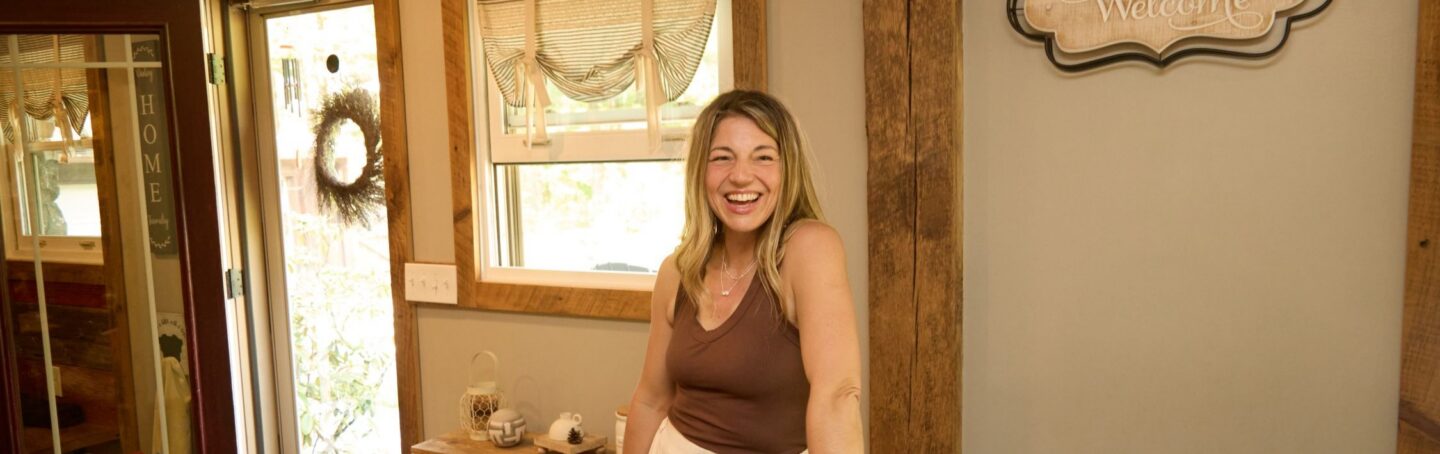
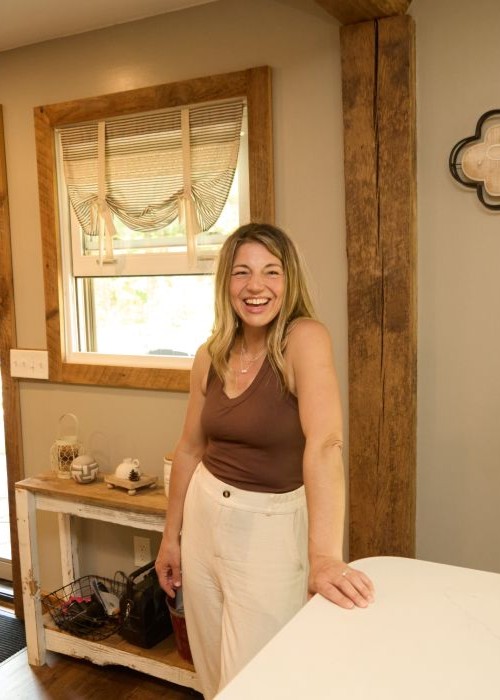

In 2023, Cheryl Daley walked away from her multiple administrative roles with the New York state government to homeschool her children.
“I never expected to homeschool,” Daley, who is a mother of a 3-year-old and 7-year-old, told IW Features. “The plan was to retire at 55 with a full pension. I’d been there 16 years.”
Like many homeschooling parents, Daley began her homeschooling journey because of nonsensical COVID restrictions. Her toddler was attending a private daycare in 2020 when the facility announced 3-year-olds would have to wear masks.
“He was learning to talk and read emotions,” she said. “Putting something over his face was ridiculous. So we pulled him out. I was able to work from home, so I had him with me.”
She quickly realized the only people getting together in person were homeschoolers, so she got her son together with them, wanting to ensure he would be socialized.
Her interactions with those homeschooling families piqued her curiosity.
“I was like, ‘Oh my God, you guys are from another planet.’ They were growing food, making sourdough…I was asking all these questions. It just seemed like a beautiful way to live—having control of your whole day. I’d never had that. I started school when I was 4 or 5-years-old and just followed the system,” she said.
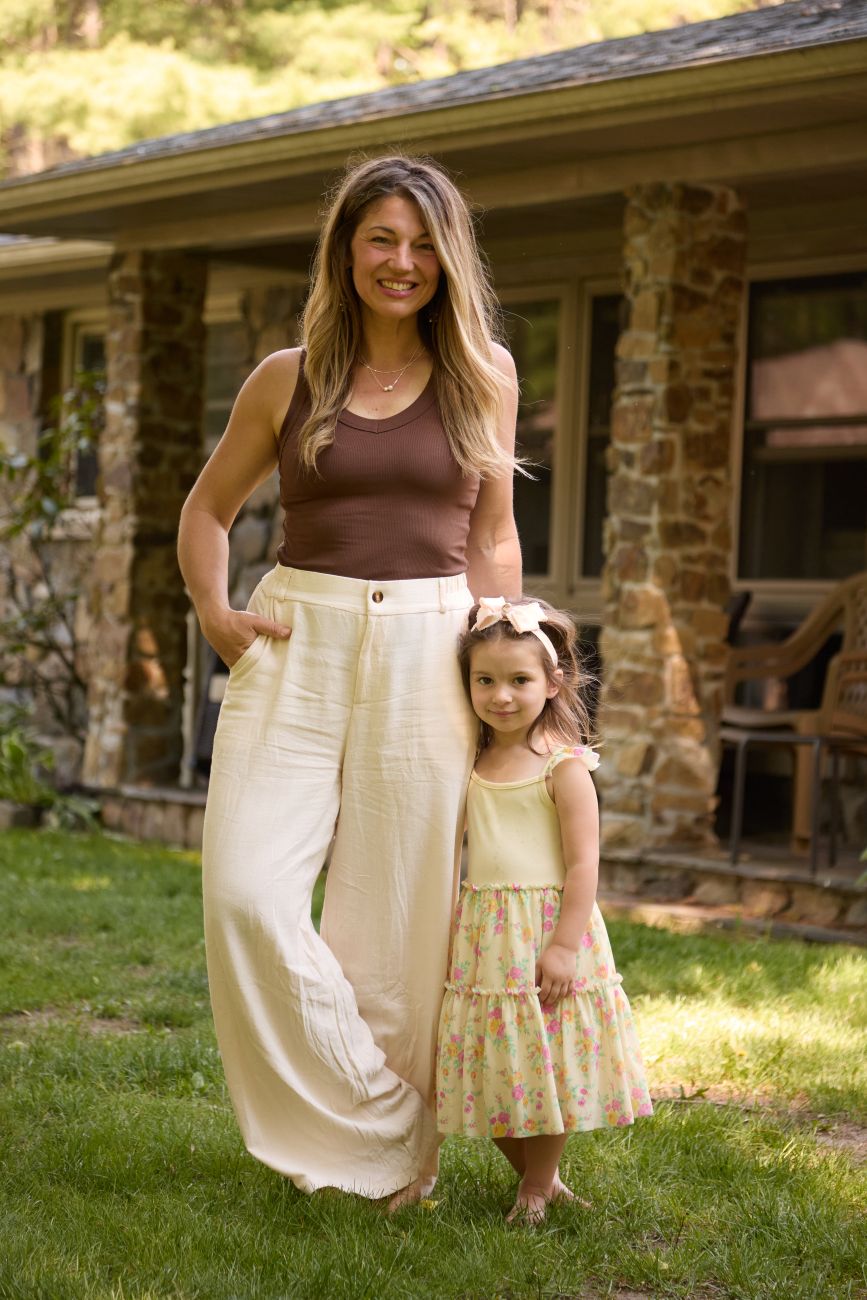
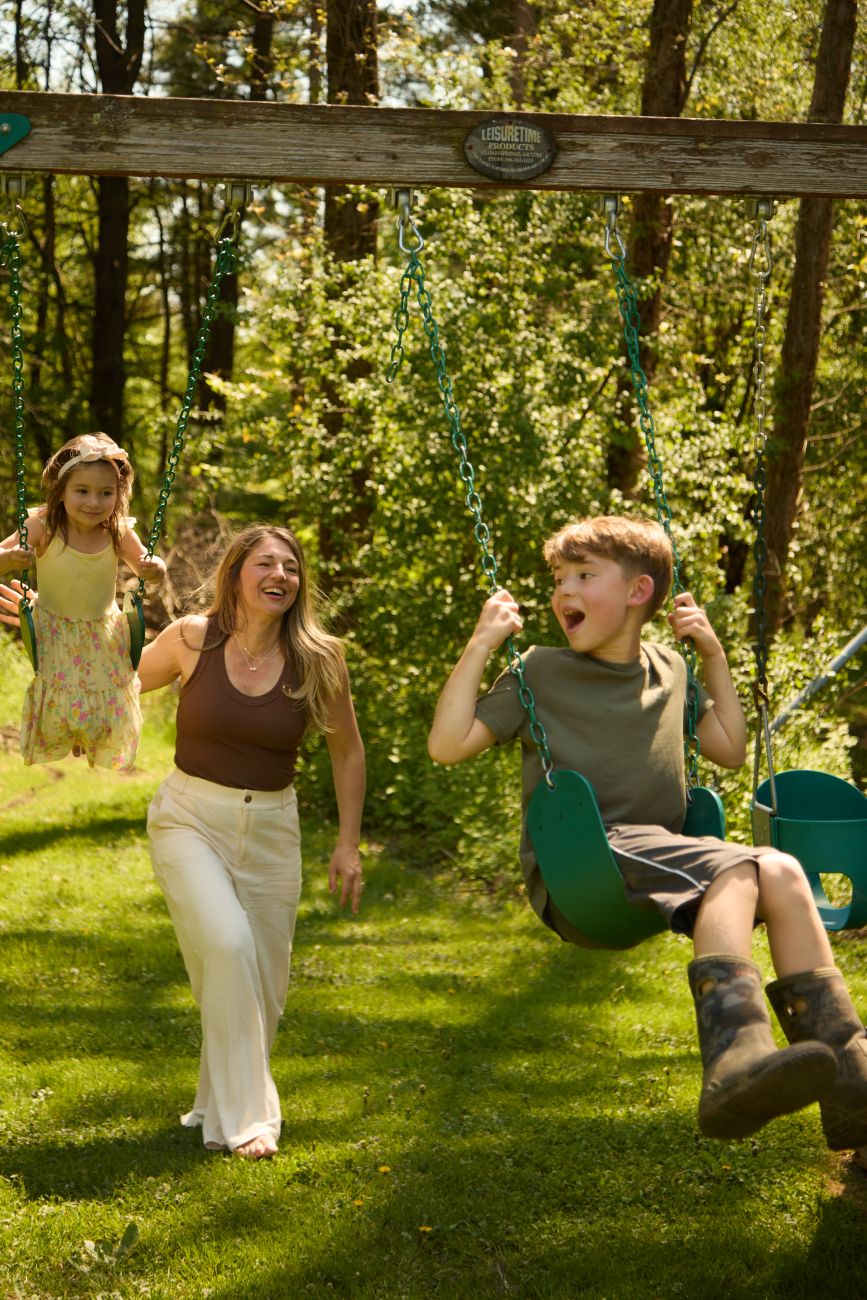
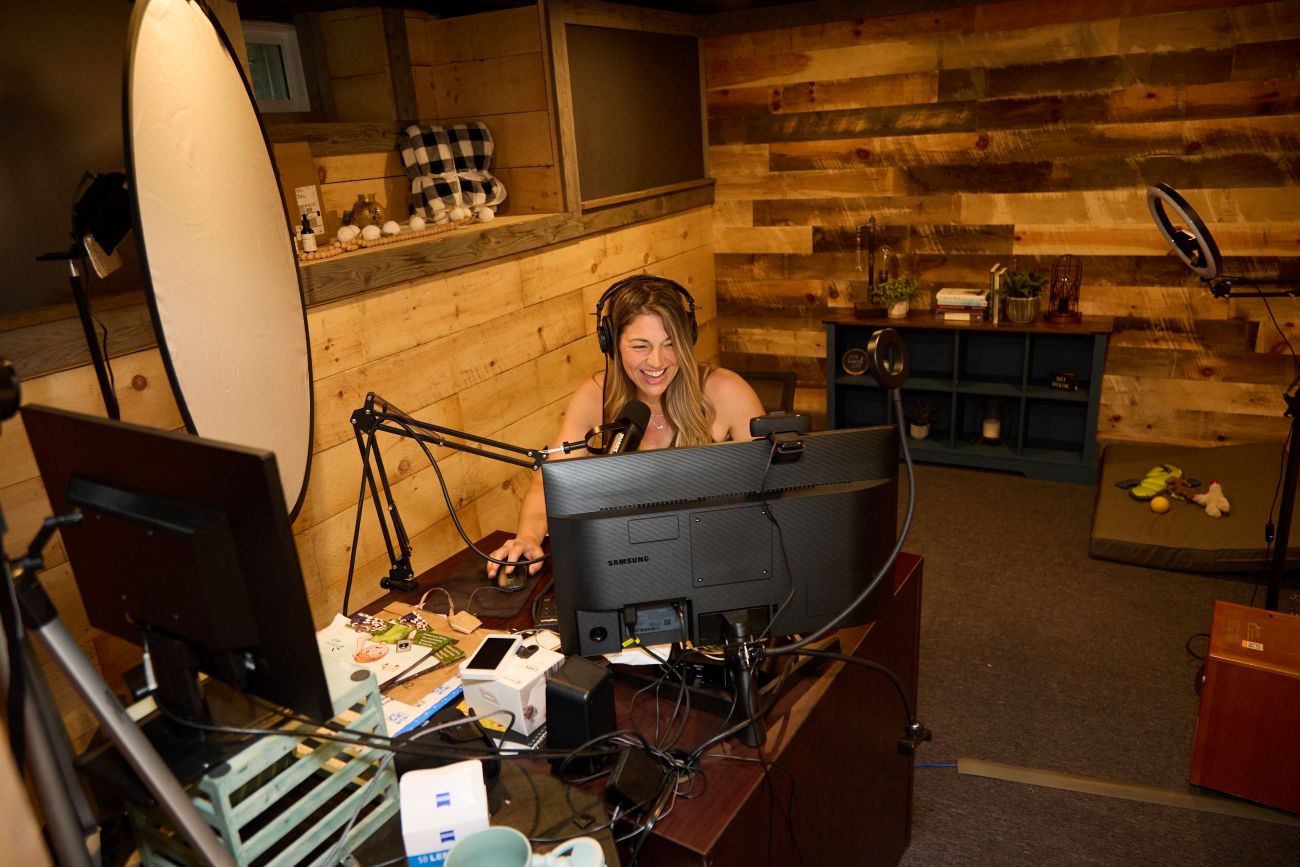
Wanting to learn more about homeschooling, Daley launched “The Homeschool How To Podcast,” interviewing homeschooling families “to decide if this was a route I should take with our kids.”
“It kind of started as ‘Convince me to homeschool or not,’” she added. “Like, are these people really weird?”
She had no idea her podcast would blow up as much as it has. “The Home School How To Podcast” has 120,000 followers on Instagram and over 170 episodes. She has also partnered with the Tuttle Twins, a popular children’s media company that produces books and video content about American history and civics.
One of the biggest surprises from her extensive podcast interviews is the growing number of former public school teachers leaving the classroom to homeschool their own children.
“The first time somebody said to me, ‘I’m a teacher, now I homeschool, can I come on the podcast?’ I was like, ‘Oh my God, yes, what a diamond in the rough,’” Daley said.
But the former teachers just kept coming to her. At this point, she said, about half of her guests are now former teachers who left a system they describe as rigid and dysfunctional.
“They went through the whole indoctrination process as well…they have so much invested,” Daley noted. “So you’re looking at six years of school and hundreds of thousands of dollars in college loans, and then to just walk away from the pension and health insurance because you didn’t want that [system] for your kid—to me, that said a lot.”
One of the recurring themes that has cropped up with the teachers-turned-homeschoolers she has interviewed is the rigidity that’s taken over mainstream education to the detriment of students.
“You know, everybody’s so concerned that your kids won’t be socialized if they homeschool, but the teachers are saying they’re not even allowed to socialize in school anymore. They get assigned seats for lunch in many cases, and they only have 10 minutes for recess. They’re so busy having to take these tests that it’s no longer about the learning. It’s just about test scores for the purpose of funding,” Daley explained.
She herself had initially been worried that her children would not be socialized if they were homeschooled, but now believes the worries about socialization are mostly “scare tactics.”
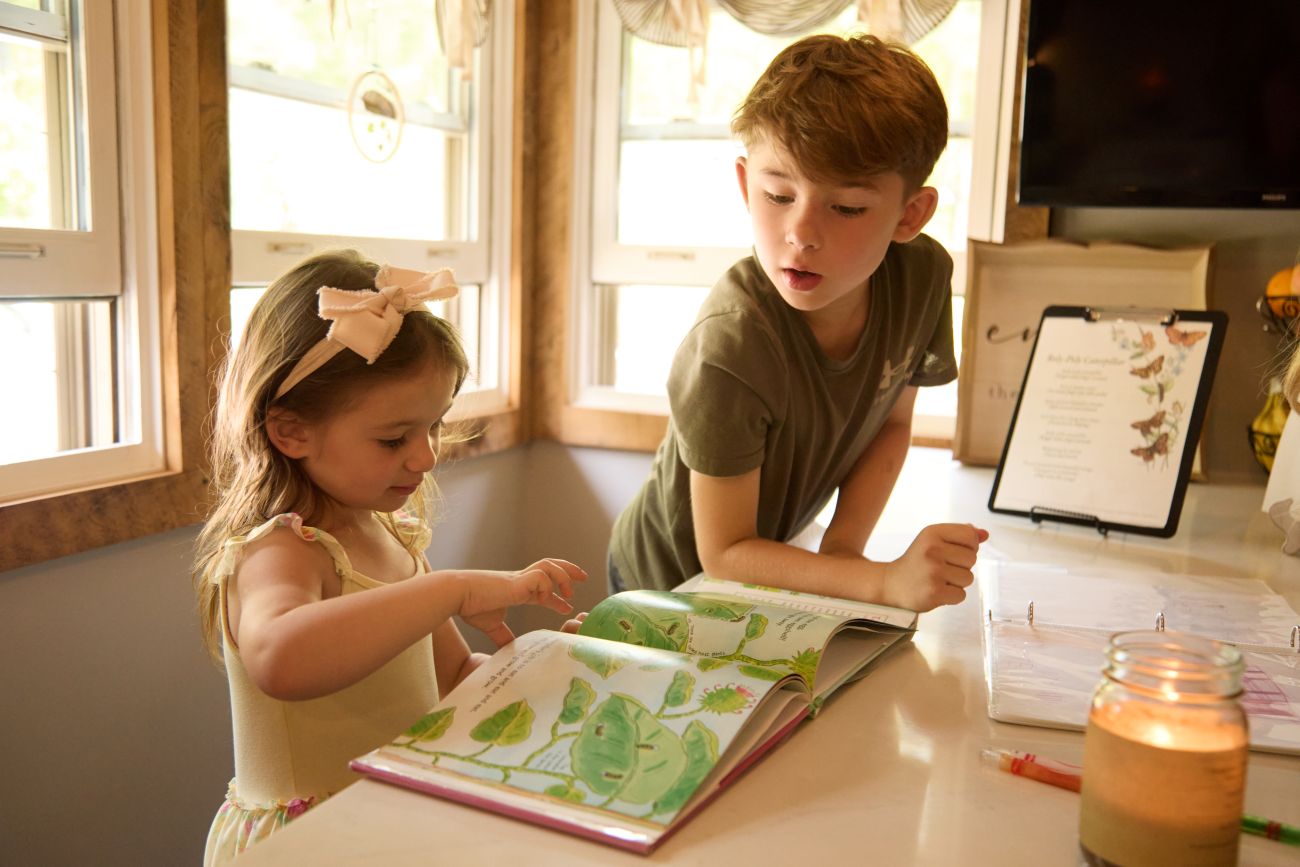
“I was so afraid my kids wouldn’t make friends or build lifelong friendships,” she told IW Features. “But the reality is completely different. My kids have lots of friends of all different ages. And if they ever outgrow a group, there are always others. You can join different meetups at parks, field trips, co-ops, classes, church groups, sports — skiing, hockey, whatever. You could literally fill your entire week with activities and meet new people every day if you wanted to. It’s never been easier to connect with other homeschoolers.”
It’s also easier to connect with nature and their local surroundings. “I’m showing my kids where the Erie Canal was actually dug by hand — stuff they never taught me in school. I’m taking them to the actual sites of the French and Indian War and the American Revolution. None of that was ever explained to me when I was in school because they were teaching the exact same generic curriculum to kids in Texas and California,” she said. “They’re not going to take an extra field trip to a local Revolutionary War site when it’s not relevant to students across the country. But for me, that kind of hands-on experience might have sparked something big.”
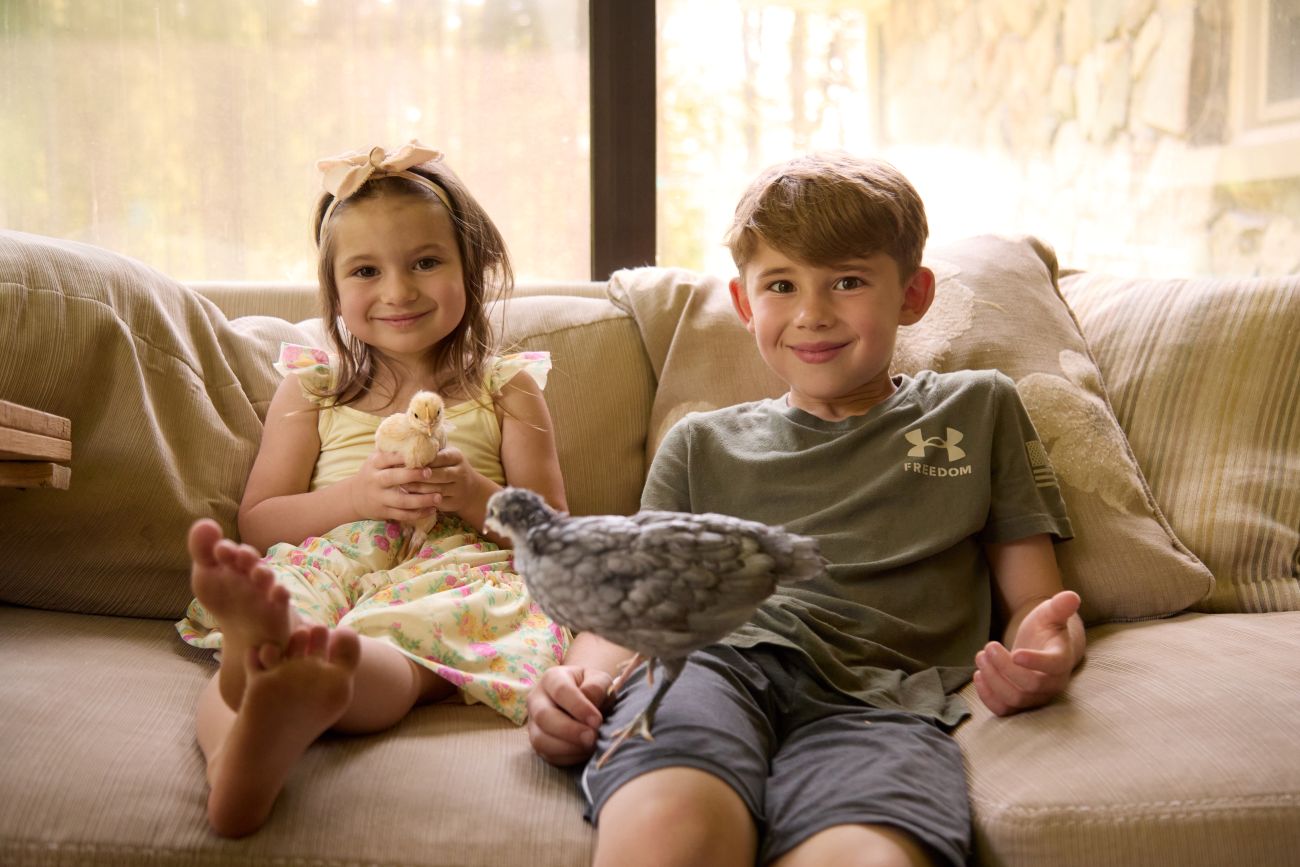
Homeschooling also allows Daley’s family to integrate academic subjects into the rhythm of their lives, allowing even for ukulele breaks and time with their backyard chickens.
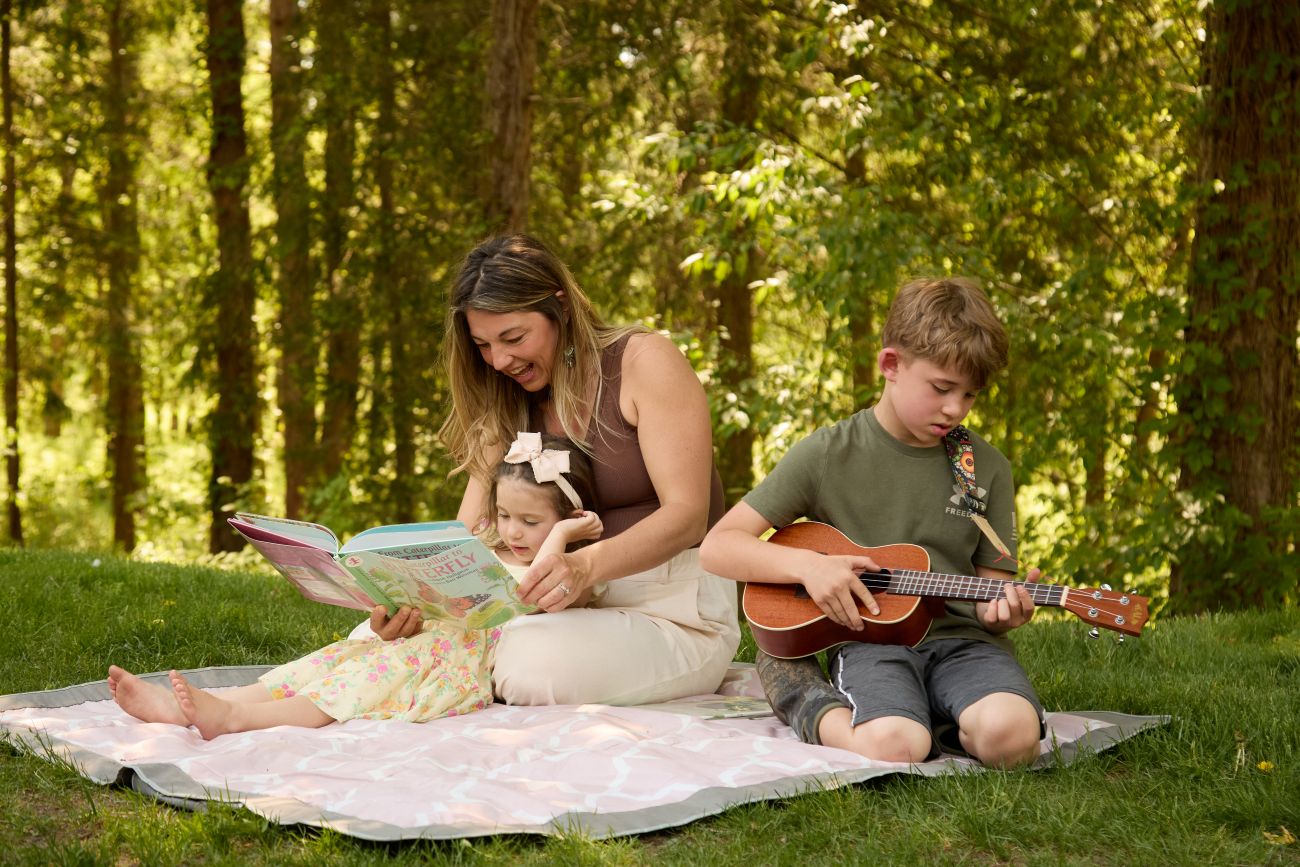
“When we think of school,” she said, “every subject is broken up separately. Here we’re working on reading, then we’re gonna work on spelling, then math, then science, then history, and then there’s geography. It doesn’t have to be that way.”
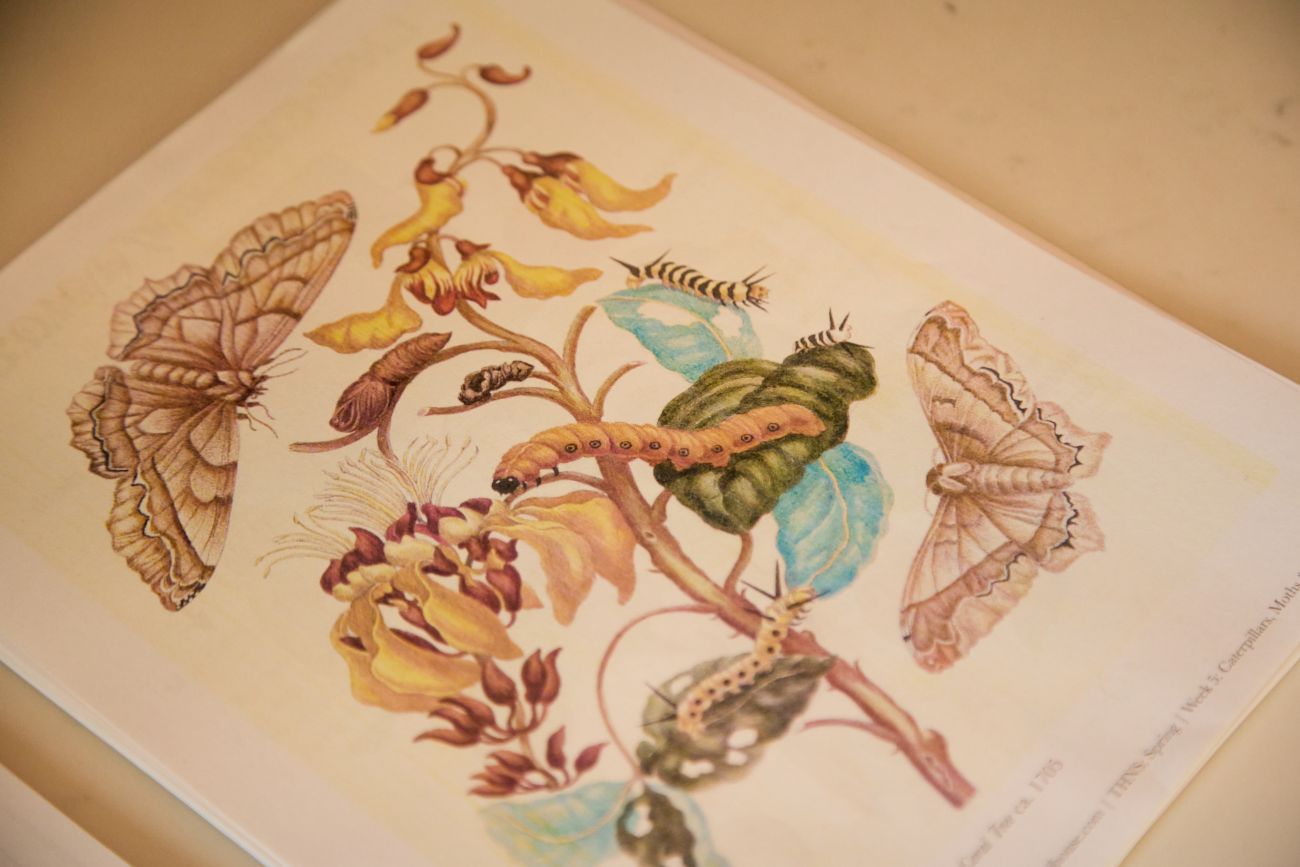
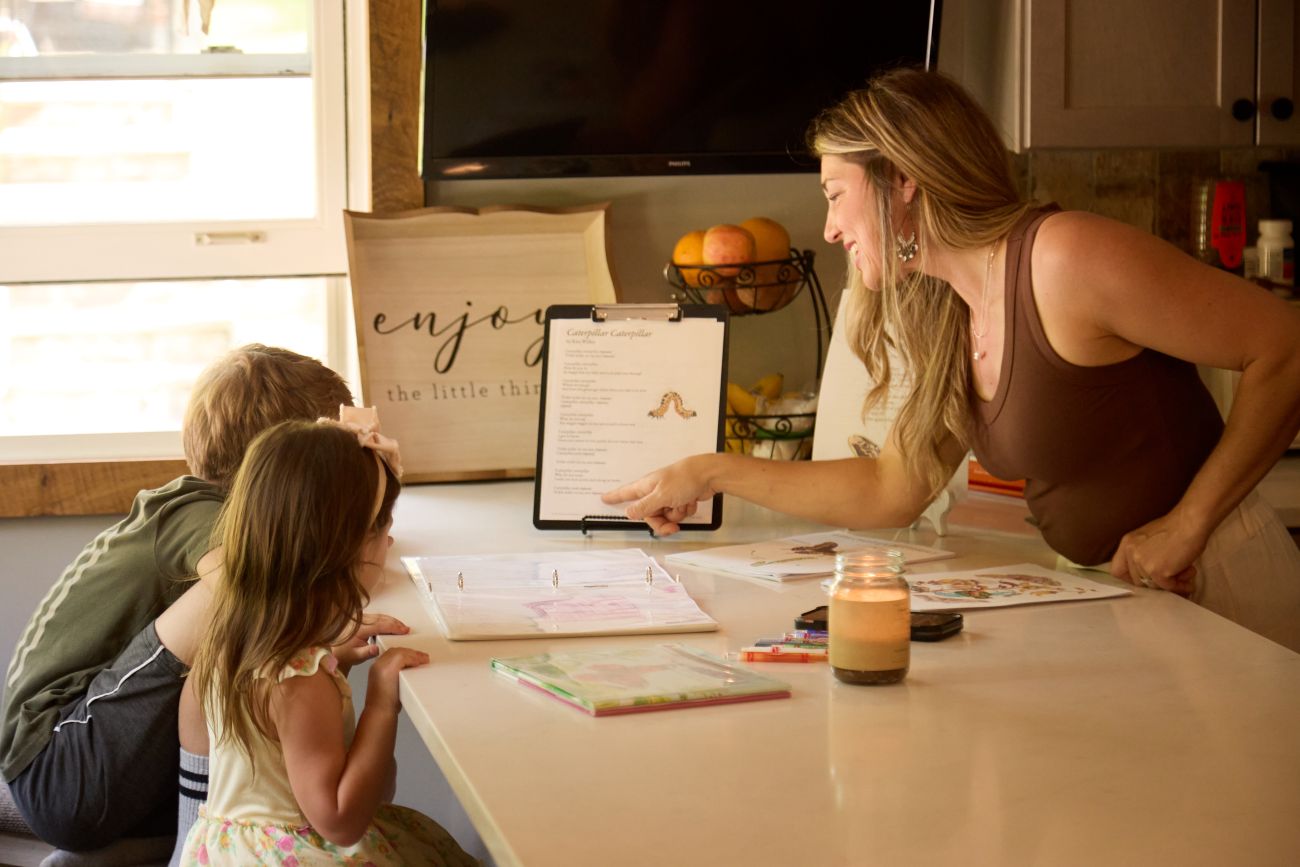
“For example,” she told IW Features, “we just finished a butterfly unit study. It’s springtime here, so there are caterpillars forming their chrysalises and turning into butterflies outside. If your kids see that, they’re probably going to have questions. Since they were interested in it, we dove in. We listened to a folk song about butterflies—something I never would have thought of on my own. We read a poem about it, checked out books from the library on how caterpillars turn into butterflies, watched videos, and even ordered live caterpillars from Amazon. We literally watched the whole process.”
Daley continued: “My son journaled how long they were caterpillars, how long it took them to form the chrysalis, how long the chrysalis lasted, and how long it took them to emerge. A couple didn’t make it, so we looked up why. We learned all kinds of facts—like how they actually melt into a liquid goo inside the chrysalis. It was so cool. We even incorporated math: How far do the monarchs migrate? How many miles per day do they travel? You can bring in science, history, have them write a summary or a story about it, and actually go out into nature to experience it. It just becomes so much more meaningful than, ‘Okay, this 39 minutes we’re gonna learn reading, and then 39 minutes we’re gonna learn math’—breaking it all up into something that’s not relevant and that they’ll probably forget.”
When I asked her about what she’d say to homeschooling critics, she responded that she used to be one herself.
“I remember thinking, why would anyone even pay for private school when you pay taxes to go to a public school, and now here I am giving up a six-figure government job and a pension to homeschool my kids,” she said.
More than anything, though, Daley emphasized that parents ultimately know their own children the best.
“If you know all about homeschooling and you’ve done the research and you still prefer the public education system or private education system, that’s fine, that’s what America is,” she told IW Features. “You absolutely should do that for your children.”